How the Paver Installation Process Works Step-by-Step
People searching for how the paver installation process works step-by-step are often looking to understand the project and find local contractors who can expertly handle each stage.
Understanding how the paver installation process works step-by-step can provide property owners with valuable insight into what to expect when enhancing outdoor spaces. Whether planning a new patio, walkway, or driveway, knowing the typical stages involved helps ensure the project runs smoothly and aligns with personal goals. Exploring this process can also highlight the importance of working with experienced local contractors who can manage each phase efficiently, from site preparation to final finishing touches, ensuring a durable and attractive result.
For property owners in the area considering paver projects, gaining clarity on each step can aid in making informed decisions and choosing the right service providers for the job. Local pros bring practical expertise to every phase, whether it's preparing the ground, laying the pavers, or sealing the finished surface. Continuing to learn about how the installation process unfolds can empower property owners to collaborate effectively with trusted contractors, helping to achieve a beautiful, long-lasting outdoor feature.
- Paver Driveways - homeowners seeking durable and attractive driveway surfaces can rely on local contractors to handle the full installation process efficiently.
- Patio Installations - those wanting to create outdoor living spaces often turn to service providers who follow a step-by-step approach for proper paver placement.
- Walkway Construction - individuals looking to improve curb appeal may need local pros to carefully prepare and install paver walkways.
- Pool Deck Paving - property owners with pools might seek experts to install slip-resistant paver surfaces around their pools safely.
- Landscape Pathways - gardeners and landscapers often work with local contractors to design and install paver pathways that complement outdoor aesthetics.
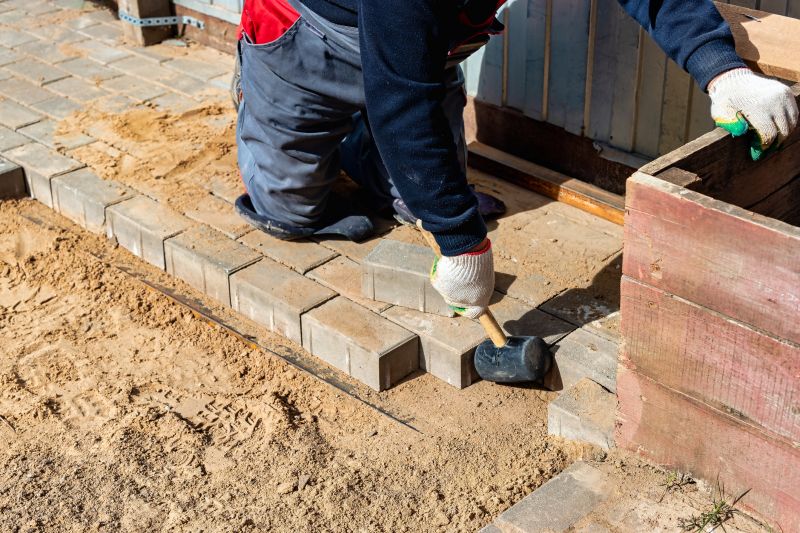
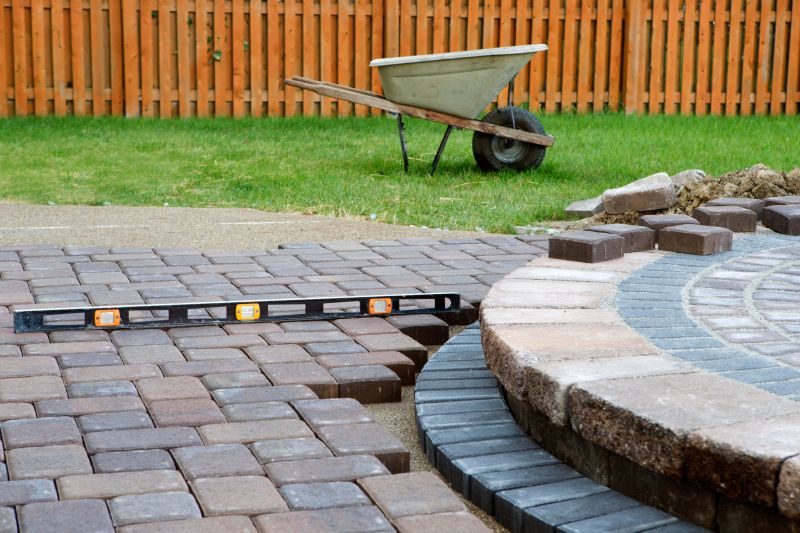
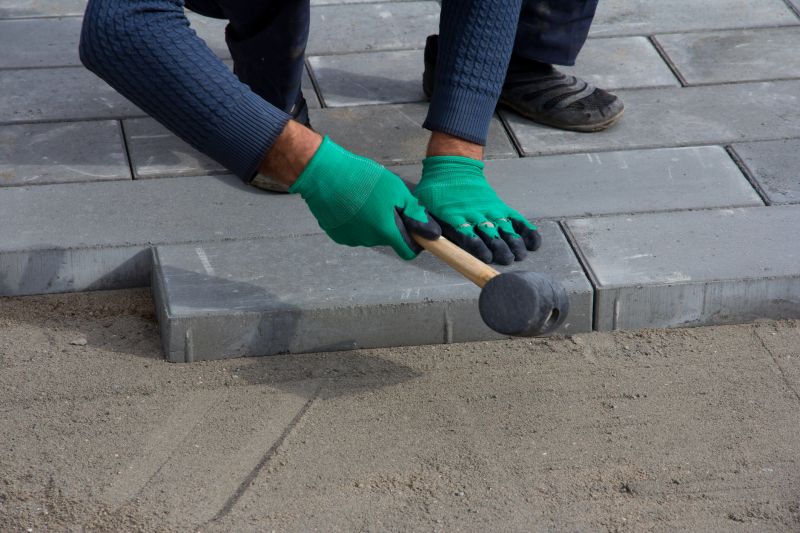
When homeowners search for how the paver installation process works step-by-step, they are typically looking to understand the sequence of tasks involved in creating durable and attractive paved surfaces. This includes projects like driveways, walkways, patios, or outdoor entertaining areas. People often have specific plans in mind, such as upgrading an existing outdoor space or building a new paved feature from scratch. They want to know what to expect at each stage, how long the process takes, and what decisions might influence the outcome. Understanding this process helps homeowners feel more confident when hiring local contractors and ensures they are prepared for the work involved.
The paver installation process generally relates to a variety of common problems or plans homeowners encounter. These might include uneven or cracked concrete surfaces, outdated or damaged paving, or the desire to improve curb appeal with a more functional outdoor area. Many property owners are planning to enhance their homes' value or create a safer, more accessible space for family and guests. The process also applies to different types of properties, from residential yards and suburban homes to small commercial sites. Each project can vary depending on the property's size, existing landscape, and specific aesthetic or functional goals.
Typical properties that come up in paver installation projects include residential homes with front or backyard patios, driveways, and walkways. Commercial properties might feature outdoor seating areas, pathways, or decorative plazas. The terrain can range from flat lawns to sloped landscapes, which influences how the installation process is carried out. For homeowners considering this upgrade, understanding the types of properties that benefit from paver installation helps clarify how local service providers adapt their methods to different conditions. These pros are experienced in handling various site challenges and tailoring their approach to meet the specific needs of each property.
The step-by-step nature of the paver installation process involves several key stages that local contractors typically follow to ensure a quality result. It begins with site preparation, where existing surfaces are cleared and the ground is graded to promote proper drainage. Next, a base layer of gravel or crushed stone is laid and compacted to create a stable foundation. The installation continues with laying the pavers in the desired pattern, followed by jointing and filling to lock everything in place. Throughout each step, local pros focus on precision and quality to produce a durable, visually appealing surface. Homeowners benefit from understanding this process as it highlights how experienced professionals manage each phase to deliver a finished project that meets expectations.
Patio Construction - This project involves planning and laying out outdoor surfaces, utilizing similar skills in site preparation and material placement as paver installation processes.
Driveway Paving - Local contractors specializing in driveway paving use comparable tools and techniques for surface preparation and layering, aligning closely with steps in paver installation.
Walkway Installation - Building walkways requires precise planning and surface leveling, which are essential components of the step-by-step paver installation process.
Landscape Design and Hardscaping - Designing and installing hardscape features often involve similar planning, excavation, and material placement skills used in paver projects.
Retaining Wall Construction - Constructing retaining walls shares planning, excavation, and structural skills with paver installation, especially in preparing the base and ensuring stability.
Concrete Flatwork - Installing concrete surfaces involves preparation and finishing techniques that are closely related to those used in paver installation services.
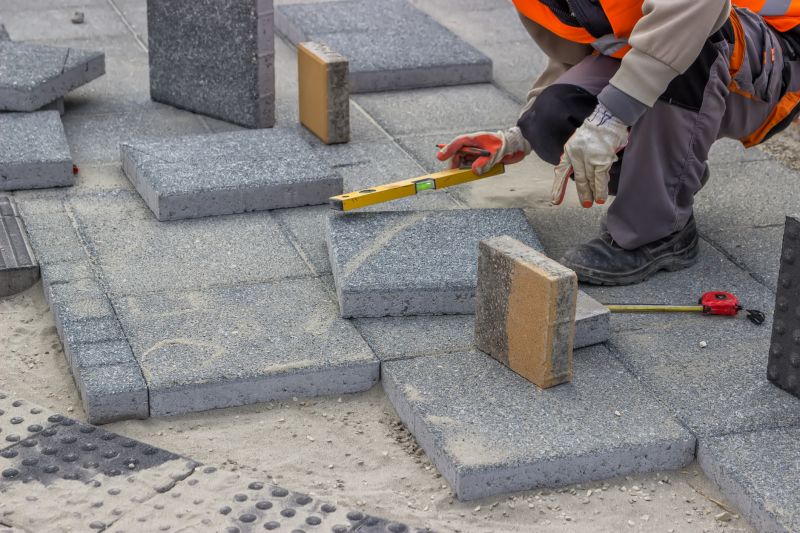
When comparing local contractors for paver installation services, it’s important to evaluate their experience with similar projects. Homeowners should look for service providers who have a proven track record of handling paver installations comparable in scope and complexity to their own. An experienced contractor is more likely to understand the nuances of the process, including site preparation, material selection, and proper installation techniques, which can contribute to a successful outcome. Gathering information about past projects or asking for examples of completed work can help determine if a contractor has the relevant expertise needed for the specific requirements of the job.
Clear written expectations are essential when choosing a service provider for the paver installation process. Homeowners should seek contractors who provide detailed estimates and scope of work documents that outline each phase of the project, from initial site assessment to final finishing touches. Transparent communication about what is included in the service helps prevent misunderstandings and ensures everyone is aligned on the project’s goals. Service providers who can clearly articulate their approach and deliverables demonstrate professionalism and a commitment to quality, making it easier for homeowners to compare their offerings effectively.
Reputable references and good communication are key factors in selecting the right local contractor. Homeowners are encouraged to ask for references or reviews from previous clients to gauge the satisfaction levels and reliability of the service provider. Reliable communication throughout the process-whether through timely responses to questions or updates on project progress-indicates a contractor’s dedication to customer service. Building a relationship based on trust and clarity can help ensure that the paver installation process proceeds smoothly and meets expectations, giving homeowners confidence in their choice of service provider.
Property owners often search for how the paver installation process works step-by-step when they are planning practical projects around their homes and businesses. Local pros provide Paver Installation Process services for everyday jobs and straightforward project options.
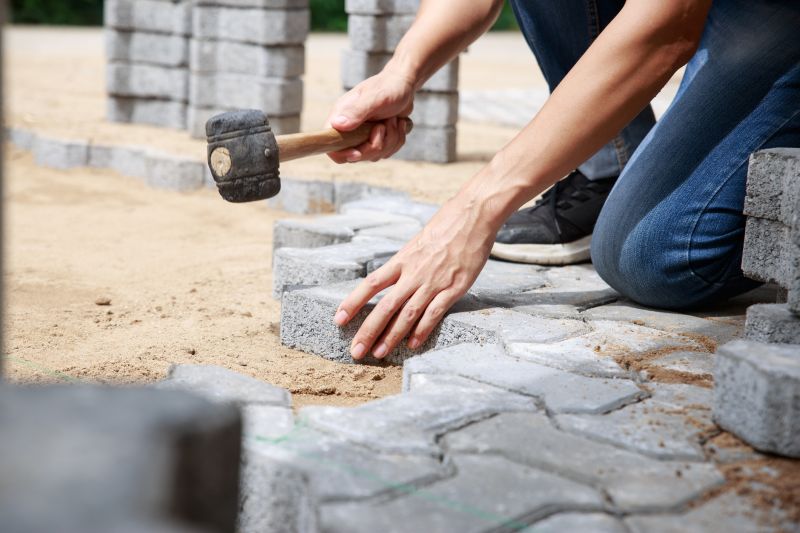
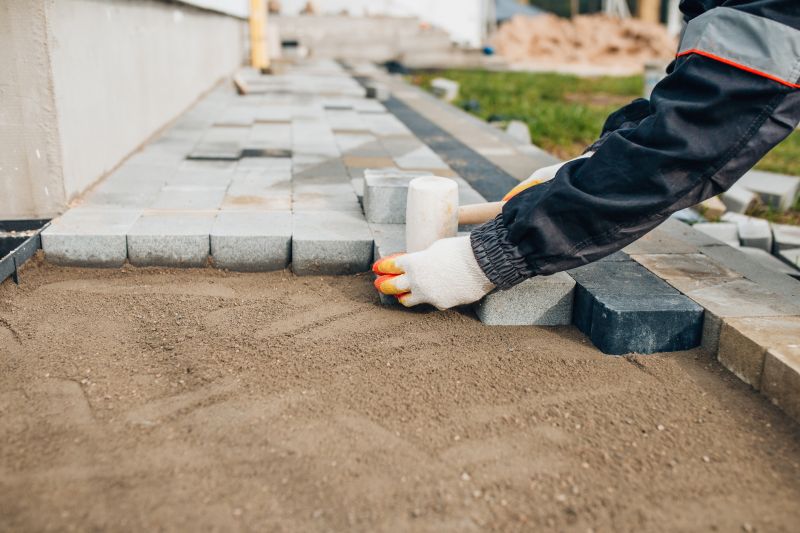
Understanding how the paver installation process works step-by-step can help property owners plan for improvements to driveways, walkways, or patios. Typically, local contractors begin by preparing the area, which involves removing any existing surface and ensuring the ground is properly leveled. This foundational step is crucial for creating a stable base that will support the pavers and prevent shifting over time. Once the area is prepared, the pros will lay down a layer of gravel or sand to create a solid, even surface, followed by carefully placing the pavers in the desired pattern. The process often includes cutting pavers to fit around edges or obstacles, ensuring a clean and professional look.
Many property owners seek out local service providers to handle the paver installation process because they want a durable, attractive surface that enhances their property’s appearance. These professionals bring experience in selecting the right materials and ensuring proper installation techniques, which can make a significant difference in the longevity of the finished project. When exploring how the process works, homeowners often consider the importance of proper site preparation and precise placement, which are key to achieving a smooth, long-lasting surface. Connecting with local contractors who specialize in paver installation can help ensure the project is completed efficiently and to a high standard.
What is the first step in the paver installation process? The initial step involves preparing the site, which includes clearing the area and ensuring a solid base, a task handled by local contractors to set the foundation for the pavers.
How do local service providers prepare the ground for paver installation? They typically excavate the area, remove debris, and then install a gravel or sand base to provide stability and proper drainage for the pavers.
What comes after site preparation in the paver installation process? Once the base is ready, local pros lay out the pavers according to the desired pattern, ensuring proper alignment and spacing for a uniform appearance.
How do local contractors secure the pavers in place? They use a compactor to set the pavers firmly into the base and may add jointing sand between the pavers to lock them in position and prevent shifting.
What is the final step in the paver installation process? The final step involves sweeping additional sand into the joints and cleaning the surface, leaving the area ready for use and ensuring the pavers are securely in place.
Site assessment and planning - Property owners can work with local contractors to evaluate the area and determine the best design for their paver project.
Excavation and base preparation - Local service providers can handle clearing the site and preparing a stable foundation for the pavers.
Paver installation process - Homeowners can coordinate with pros to choose paver styles and ensure proper placement during installation.
Joint filling and finishing - Property owners can learn about the final steps, such as filling joints and sealing, to complete their paver project.
If you are thinking about how the paver installation process works step-by-step for a property, this guide is meant to help you understand this topic, the typical project types, and how different options might fit your plans.
When you are ready, you can use the quote form on this page to share a few details about your project. From there, local pros can review the basics and follow up with options that match what you have in mind.